




5
Results for magnetic proximity sensor
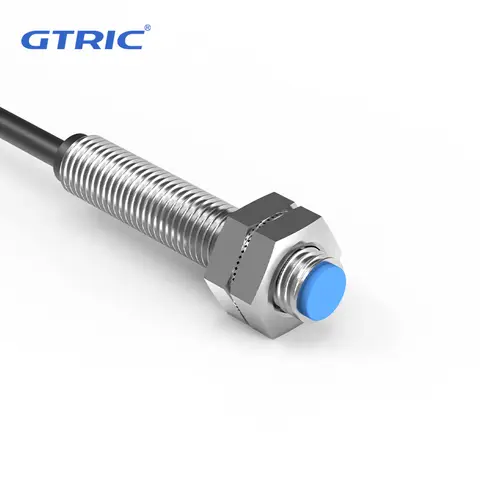
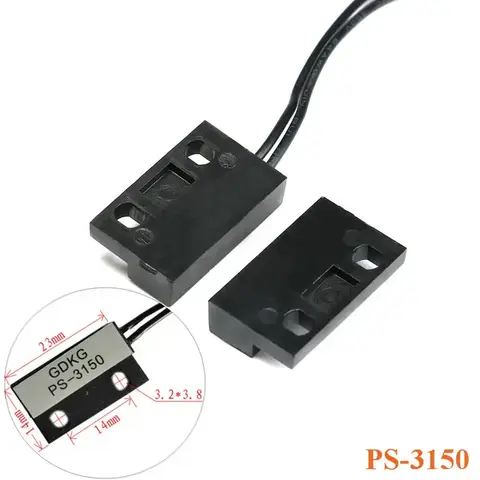
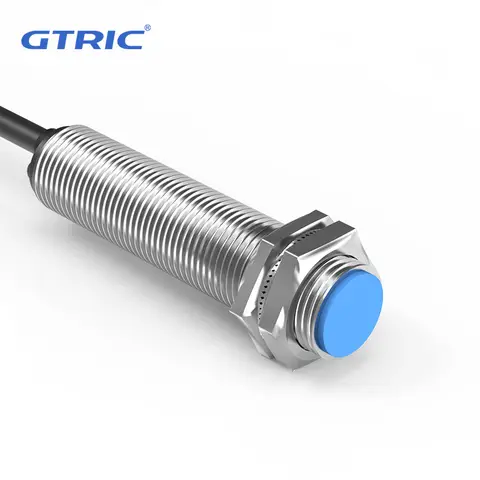
Discover the unparalleled precision and reliability of our magnetic proximity sensors. Ideal for a wide range of applications, these sensors offer non-contact sensing, which makes them perfect for industries where clean, precise measurements are essential. Whether you're in automotive, manufacturing, or robotics, our magnetic proximity sensors provide a robust solution to detect the presence of ferrous materials without the need for physical contact.
Our sensors are designed to be highly durable and resistant to harsh environmental conditions, including temperature extremes, moisture, and electromagnetic interference. This makes them ideal for outdoor applications or environments with challenging conditions. They are also easy to integrate into existing systems, thanks to their compact design and simple installation process.
One of the standout features of our magnetic proximity sensors is their long operating life. With no moving parts, they require minimal maintenance, reducing downtime and associated costs. The sensors are available in various types, including through-beam, reflective, and diffused, to suit different application needs. Whether you need a sensor for detecting metal objects, monitoring the position of a moving part, or ensuring safety in industrial settings, we have the right solution for you.
Moreover, our magnetic proximity sensors offer advanced diagnostic capabilities, allowing you to monitor the health of the sensor in real-time. This feature is particularly valuable for predictive maintenance, helping you to proactively address potential issues before they become critical. The sensors also support digital communication protocols, making them compatible with a wide range of modern control systems and IoT applications.
In today’s fast-paced industrial environment, the ability to monitor and control processes efficiently is crucial. Our magnetic proximity sensors provide the precision and reliability needed to meet these demands. By integrating our sensors into your operations, you can enhance productivity, improve safety, and reduce costs. Whether you're looking to streamline your production line, improve inventory management, or increase the efficiency of your equipment, our magnetic proximity sensors are the smart choice.
Experience the benefits of our magnetic proximity sensors today and take your operations to the next level. With their advanced features and superior performance, these sensors are revolutionizing the way industries operate. Invest in technology that delivers and see the difference for yourself.
Discover Precision & Savings: Top Magnetic Proximity Sensors On AliExpress!
In the rapidly evolving landscape of automation and technology, magnetic proximity sensors play a pivotal role. These sensors are designed to detect the presence of ferromagnetic materials or changes in magnetic fields, making them essential in various industrial, commercial, and even consumer applications. As businesses seek to enhance efficiency, reduce costs, and improve safety, the importance of these sensors has never been more critical.
What Are Magnetic Proximity Sensors?
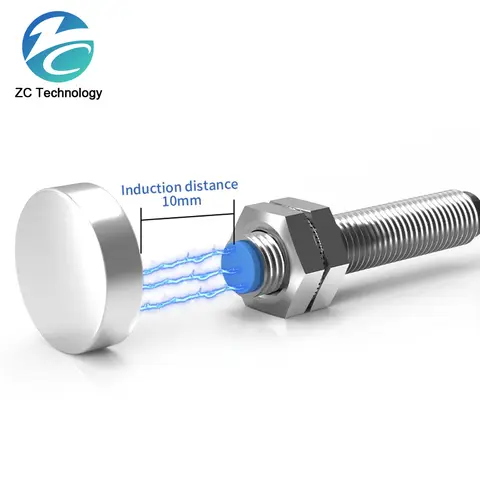
Magnetic proximity sensors are non-contact devices that use magnetic fields to detect nearby ferromagnetic objects. These sensors are often used in scenarios where contact with the object is undesirable or impossible. They work on the principle of electromagnetic induction, converting the magnetic field into electrical signals that can be interpreted by the system they are integrated into.
Applications and Benefits
Industrial Automation:
In manufacturing plants and automated machinery, magnetic proximity sensors are widely used to control the movement of parts and components. They can trigger actions like opening and closing gates, activating machinery, and stopping processes when objects are detected. This not only ensures smooth operations but also enhances safety by preventing accidental contact with moving parts.
Safety and Security:
Security systems often incorporate magnetic proximity sensors to detect the presence of objects or people. For instance, magnetic switches are used in access control systems to monitor the presence of keys or cards. These sensors can also be used in fire safety devices to detect changes in the magnetic field around a fire alarm, providing an early warning system.
Medical Devices:
In the healthcare sector, magnetic proximity sensors are employed in various medical devices. For example, in MRI machines, these sensors help in monitoring the patient’s position and movement, ensuring safety and accurate imaging. In implantable devices, they can trigger a response when a specific magnetic field is detected, enhancing patient care.
Consumer Electronics:
In the realm of consumer electronics, magnetic proximity sensors are used in remote controls and key fobs. They can detect when the device is near a magnetic object, enabling functions like pairing or triggering a command. Additionally, these sensors are used in touchless activation systems, such as automatic doors and faucet controls, making them ideal for modern homes and offices.
Key Features and Technologies
Non-Contact Operation:
One of the primary advantages of magnetic proximity sensors is their non-contact operation. Unlike contact sensors, they do not need physical contact with the object, which reduces wear and tear and extends their lifespan.
Wide Detection Range:
These sensors can detect objects at varying distances, making them versatile for different applications. The detection range can range from a few millimeters to several meters, depending on the model and configuration.
High Sensitivity:
Magnetic proximity sensors are highly sensitive, capable of detecting small changes in magnetic fields. This sensitivity ensures accurate and reliable performance in various conditions.
Robust Construction:
Designed to withstand harsh environments, these sensors are often made from durable materials and can operate in extreme temperatures, humidity, and dust. This makes them suitable for outdoor applications and industrial settings.
How Magnetic Proximity Sensors Work
Magnetic proximity sensors function by generating an electromagnetic field around them. When a ferromagnetic object comes close to this field, it disrupts the field, creating a change in the sensor's electrical current. This change is then interpreted by the control system, which can take various actions based on the detected signal.
Types of Magnetic Proximity Sensors:
1. Hall Effect Sensors:
2. Electromagnetic Induction Sensors:
3. Flux Gate Sensors:
Choosing the Right Magnetic Proximity Sensor
Selecting the appropriate magnetic proximity sensor depends on the specific application requirements. Factors such as detection range, sensitivity, durability, and ease of installation should be considered. For instance, if the application requires a wide detection range and high sensitivity, a Hall effect sensor might be the best choice. If the environment is harsh and exposure to extreme temperatures is expected, a flux gate sensor could be more suitable.
Installation and Maintenance
Proper installation is crucial for the optimal performance of magnetic proximity sensors. They should be placed in a location where they can effectively detect the object without obstruction. Regular maintenance, such as cleaning the sensor and checking for any wear and tear, can ensure longevity and reliability.
Future Trends in Magnetic Proximity Sensors
As technology advances, magnetic proximity sensors are expected to become even more advanced. Innovations such as wireless communication, self-diagnostic capabilities, and integration with other IoT devices are likely to become more prevalent. These enhancements will make them even more versatile and efficient, opening up new applications and use cases.
Conclusion
Magnetic proximity sensors are indispensable in today’s interconnected world. Their ability to detect the presence of ferromagnetic objects without physical contact makes them ideal for a wide range of applications. From industrial automation to consumer electronics, these sensors play a crucial role in enhancing efficiency, safety, and reliability. As technology continues to evolve, the potential for magnetic proximity sensors is limitless, making them a key player in the future of automation and technology.
See more details about magnetic proximity sensor in AliExpress Video Page.

 浙公网安备 33010802002248号