










Related Searches
5
Results for thermal printer
Discover the power of thermal printing with our state-of-the-art thermal printers. Whether you're a small business looking to streamline your operations or a large enterprise aiming to boost efficiency, our thermal printers are the perfect solution. With a wide range of models to choose from, you can find the thermal printer that best suits your needs.
Our thermal printers are designed to handle everything from simple barcode labels to complex graphics. They are incredibly fast, capable of printing up to 200mm per second, ensuring that your workflow stays smooth and efficient. The high-quality thermal print heads ensure that your prints are clear and vibrant, even under heavy use.
One of the standout features of our thermal printers is their durability. Designed to withstand the rigors of daily use, these printers can handle everything from extreme temperatures to frequent use without sacrificing performance. They are also energy-efficient, which means they can help reduce your overall energy costs.
Whether you need to print receipts, labels, or promotional materials, our thermal printers are up to the task. Our user-friendly interface makes it easy to get started, and our comprehensive support team is always available to help you with any questions or issues.
In today’s fast-paced business environment, the ability to print quickly and efficiently is crucial. Our thermal printers offer just that, with quick setup times and easy maintenance. They are ideal for restaurants, retail stores, and any business that requires frequent printing.
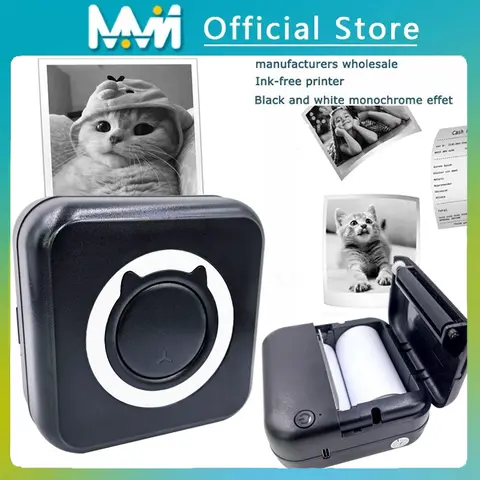
Another advantage of our thermal printers is their eco-friendliness. Unlike traditional printers that require ink or toner, thermal printers use heat to activate the printing medium. This means less waste and lower environmental impact, making them a smart choice for businesses committed to sustainability.
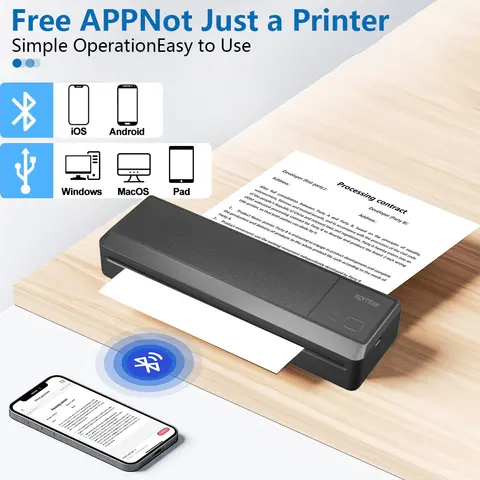
Our thermal printers come with a variety of connectivity options, including USB, Ethernet, and Wi-Fi. This flexibility allows you to connect them to your existing network or integrate them with your point-of-sale systems for seamless integration. Whether you're printing from a laptop, desktop, or mobile device, our thermal printers are designed to work with you.
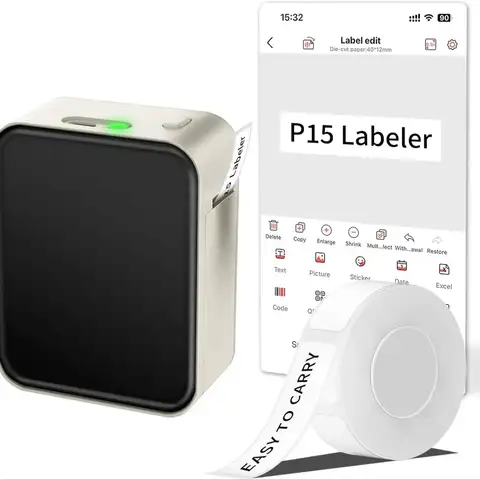
To make your life easier, our thermal printers also offer features like automatic label design, which saves you time and reduces the need for additional software. You can design and print labels on the fly, ensuring that your business is always prepared for any situation.
Whether you're in a bustling restaurant, a busy retail store, or a bustling office, our thermal printers are ready to help you. They are designed to handle high volumes of printing without slowing down or breaking down. With a warranty that backs up their reliability, you can have peace of mind knowing that your printer will perform as expected.
In conclusion, if you're in the market for a reliable, efficient, and eco-friendly printing solution, look no further than our thermal printers. With their fast printing speeds, durability, and user-friendly features, they are the perfect choice for any business. Order yours today and see the difference for yourself.
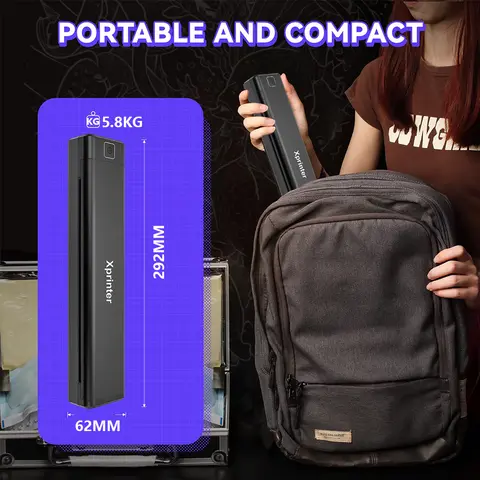
Ultra-Fast Thermal Printer For Receipts - Portable, Durable, High-Speed, Easy Setup!
In today’s fast-paced world, businesses and individuals are constantly on the lookout for efficient and cost-effective solutions to meet their printing requirements. Thermal printers have emerged as a game-changer, offering unparalleled performance and reliability. Whether you are in a retail store, a healthcare facility, or a manufacturing plant, a thermal printer can streamline your operations and enhance your overall efficiency. Let's explore the numerous benefits and applications of thermal printers.
What is a Thermal Printer?
A thermal printer is a type of printer that uses heat to produce an image or text on thermal paper. This innovative technology has been around for several decades but continues to evolve, providing businesses with a robust and efficient printing solution. Thermal printers are not only space-saving but also energy-efficient, making them a preferred choice for various industries.
Key Features of Thermal Printers
Thermal printers boast several key features that set them apart from traditional inkjet and laser printers. These include:
- Speed and Efficiency: Thermal printers are known for their quick print speeds. They can produce labels, receipts, and other documents at a rapid pace, minimizing downtime and increasing productivity.
- Space Saving: These printers are compact and can be easily integrated into small spaces, making them ideal for retail environments, kiosks, and point-of-sale (POS) systems.
- Low Cost Operation: Thermal printers require minimal maintenance and consumables. Unlike inkjet printers, there are no ink cartridges to replace, reducing costs over time.
- Durability and Reliability: Thermal printers are built to withstand the rigors of daily use. They are resistant to dust, moisture, and other environmental factors, ensuring long-term reliability.
Applications of Thermal Printers
Thermal printers find applications across a wide range of industries. Here are some of the most common uses:
- Retail and POS Systems: Thermal printers are extensively used in retail environments to generate receipts, loyalty cards, and inventory labels. Their ability to print high-quality text and graphics makes them ideal for point-of-sale applications.
- Healthcare Facilities: In hospitals and clinics, thermal printers are used to print patient wristbands, medical records, and discharge summaries. Their durability and fast printing speeds make them a valuable asset in healthcare settings.
- Manufacturing and Logistics: In manufacturing plants and logistics companies, thermal printers are used to label products, track inventory, and generate shipping labels. Their ability to withstand harsh environments makes them perfect for these industries.
- Food Service: Restaurants and cafes use thermal printers to print orders, bills, and receipts. The quick printing speed ensures that customers receive their orders promptly.
- Shipping and Warehousing: Thermal printers are used in warehouses to generate shipping labels, inventory tags, and order confirmations. Their durability and resistance to moisture make them ideal for these applications.
Benefits of Using Thermal Printers
The benefits of using thermal printers are numerous and can significantly impact your business operations. Here are some of the key advantages:
- Cost-Effective: Thermal printers have a lower total cost of ownership. There are no ink cartridges to replace, and they require minimal maintenance, reducing overall expenses.
- Speed and Efficiency: Thermal printers can produce high-quality prints at a rapid pace, improving workflow and reducing downtime.
- Durability and Reliability: Thermal printers are built to withstand the rigors of daily use. They are resistant to dust, moisture, and other environmental factors, ensuring long-term reliability.
- Customization and Versatility: Thermal printers can be customized with various paper types, including thermal transfer labels, adhesive labels, and self-adhesive labels. This versatility allows them to meet a wide range of printing needs.
- Energy Efficiency: Thermal printers are energy-efficient, consuming less power than traditional printers. This makes them environmentally friendly and cost-effective.
Choosing the Right Thermal Printer
When selecting a thermal printer, several factors should be considered to ensure that you choose the right model for your specific needs. Here are some key considerations:
- Print Speed: Look for a thermal printer that can print at a speed that meets your operational requirements. Quick print speeds can significantly reduce wait times and improve customer satisfaction.
- Paper Types: Determine the types of paper you will be printing on. Thermal printers can handle various paper types, including thermal transfer labels, adhesive labels, and self-adhesive labels.
- Durability: Ensure that the thermal printer is built to withstand the rigors of daily use. Look for models that are resistant to dust, moisture, and other environmental factors.
- Compatibility: Check if the thermal printer is compatible with your existing systems and software. This ensures seamless integration and reduces downtime.
- Price: Consider the total cost of ownership, including initial purchase price, maintenance, and consumables. Choose a thermal printer that offers the best value for your budget.
Conclusion
Thermal printers have become an essential tool for businesses looking to streamline their operations and improve efficiency. Their speed, durability, and cost-effectiveness make them a popular choice across various industries. Whether you are in retail, healthcare, manufacturing, or food service, a thermal printer can help you achieve your printing goals and take your business to the next level. So, why wait? Discover the power of thermal printers today and transform your printing needs.
By integrating thermal printers into your operations, you can enhance productivity, reduce costs, and improve customer satisfaction. With their numerous benefits and applications, thermal printers are a smart investment for any business looking to stay ahead in today’s competitive landscape.

 浙公网安备 33010802002248号