






![A0009050030 Tyre Pressure Sensor For Mercedes-Benz A Class C-Class GLC S-Class SL [R231] C250 C300 C350 W212 W166 W222 433MHz](http://ae-pic-a1.aliexpress-media.com/kf/S08fa8678d06045b7b8caf9374dfadcd4E.jpg_480x480q75.jpg)



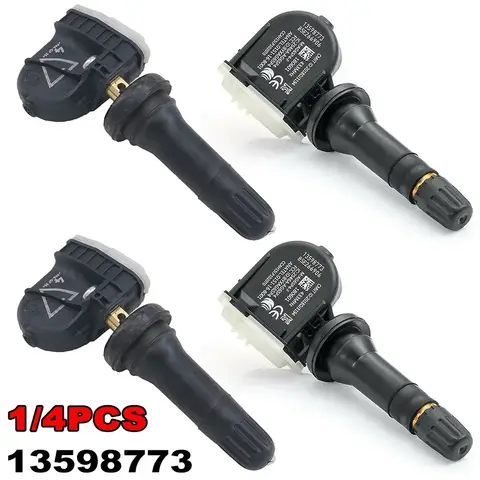
Results for tyre pressure sensor
Discover the innovative and essential tyre pressure sensor that can transform the safety and efficiency of your vehicle. With the rising demand for smarter and more connected vehicles, our tyre pressure sensor is designed to ensure your tires are always at their optimal pressure, improving both performance and longevity.
Equipped with advanced technology, our tyre pressure sensor offers real-time monitoring and alerts you to any changes in tire pressure, helping you maintain safe driving conditions. Whether you’re commuting daily or hitting the open road, this sensor is your partner in ensuring your vehicle’s safety.
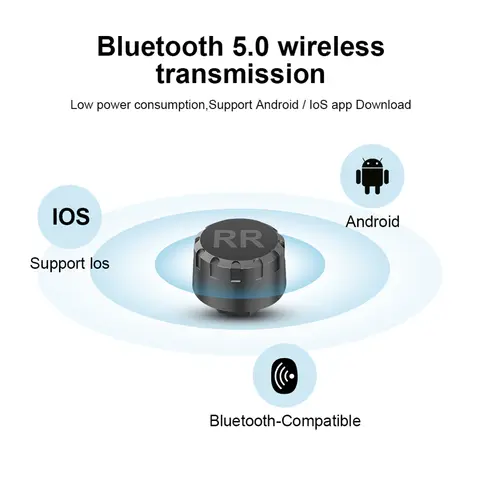
Our tyre pressure sensor is compatible with a wide range of vehicles, making it an ideal choice for car owners of all types. It seamlessly integrates with your vehicle’s system, providing instant notifications via your smartphone or directly to your dashboard. No more guessing games about tire pressure; our sensor does the work for you, ensuring you’re always ready for the road.
In today’s fast-paced world, every second counts. That’s why our tyre pressure sensor is designed to be user-friendly and hassle-free. It’s easy to install and requires minimal maintenance, allowing you to focus on the journey rather than the preparation.
Safety is non-negotiable, and that’s why our tyre pressure sensor is engineered to meet stringent safety standards. By preventing blowouts and reducing the risk of accidents, our sensor helps keep you and your passengers safe. Plus, maintaining optimal tire pressure can lead to fuel savings, making it a wise investment for both your wallet and your peace of mind.
Moreover, our tyre pressure sensor isn’t just a safety feature; it’s a performance enhancer. By ensuring your tires are correctly inflated, you can improve handling, reduce wear, and increase overall vehicle performance. Whether you’re a casual driver or a performance enthusiast, this sensor is tailored to meet your needs.
Don’t let faulty tire pressure compromise your driving experience. Invest in a tyre pressure sensor today and enjoy the benefits of safer, more efficient driving. Our sensor is the future of tire maintenance, and we’re here to help you take the first step towards a smarter, safer driving experience.
Experience the difference a tyre pressure sensor can make. Order yours now and join the millions of drivers who rely on this essential technology. Your journey is safer with our tyre pressure sensor.
Ultra-Secure Tire Pressure Sensors - Fast Shipping, High Precision, Easy Install - Protect Your Tires Now!
When it comes to maintaining the performance and safety of your vehicle, one often-overlooked aspect is tyre pressure. But what if you could monitor your tyre pressure in real-time, alerting you to any changes or issues? This is precisely what a tyre pressure sensor can offer. From enhancing your driving experience to ensuring your vehicle's longevity, the benefits of a tyre pressure sensor are manifold. Let’s delve into why a tyre pressure sensor is a must-have technology for every driver.
Understanding Tyre Pressure Sensors
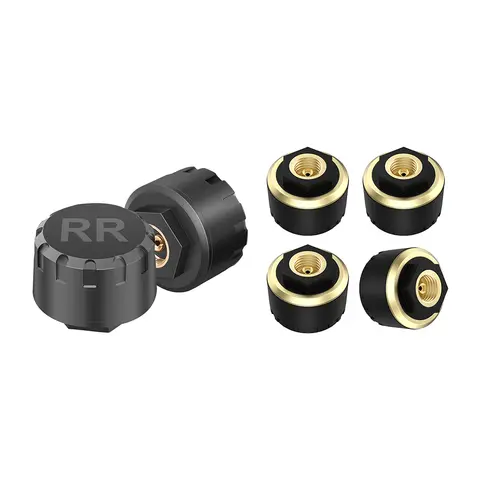
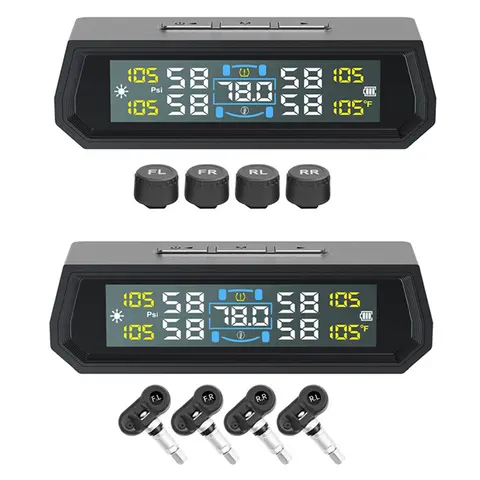
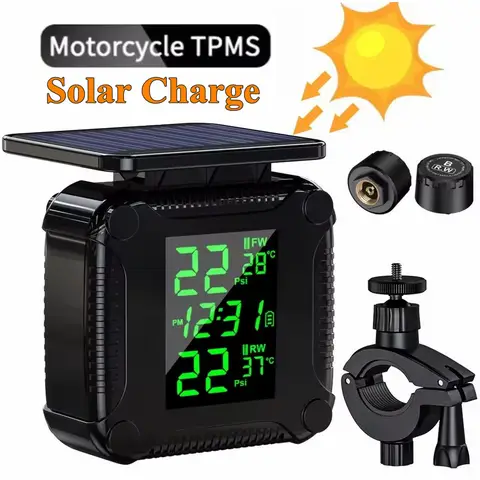
A tyre pressure sensor, also known as a TPMS (Tyre Pressure Monitoring System), is an advanced automotive technology designed to monitor the pressure inside your vehicle’s tyres. By integrating with the vehicle’s existing electronics, these sensors provide crucial data on tyre inflation levels, ensuring optimal performance and safety. They operate on both wireless and hardwired systems, offering a range of benefits depending on your specific needs.
Benefits of Tyre Pressure Sensors
1. Enhanced Safety and Reliability
One of the primary advantages of a tyre pressure sensor is its role in enhancing safety. Underinflated tyres can cause a variety of issues, from reduced fuel efficiency to increased braking distances. By continuously monitoring tyre pressure, a tyre pressure sensor ensures that your tyres are always at the optimal level, reducing the risk of accidents and prolonging the lifespan of your tyres.
2. Improved Fuel Efficiency
Underinflated tyres create more friction with the road, leading to increased fuel consumption. A tyre pressure sensor helps maintain the correct inflation, which not only saves you money on fuel but also reduces your carbon footprint. Optimal tyre pressure means your vehicle can travel farther on each gallon of fuel, making your drives more efficient.
3. Extended Tyre Life
Properly inflated tyres wear more evenly, leading to a longer life span. A tyre pressure sensor ensures that your tyres stay at the recommended pressure, reducing the risk of uneven wear and tear. This not only saves you money in the long run but also ensures a smoother, more comfortable ride.
4. Early Detection of Issues
Tyre pressure sensors provide real-time data, alerting you to any changes in pressure. This early detection can prevent severe issues such as tyre blowouts, which can be particularly dangerous, especially during high-speed driving. By addressing these issues promptly, you can avoid costly repairs and ensure the safety of both you and your passengers.
Types of Tyre Pressure Sensors
1. Direct TPMS
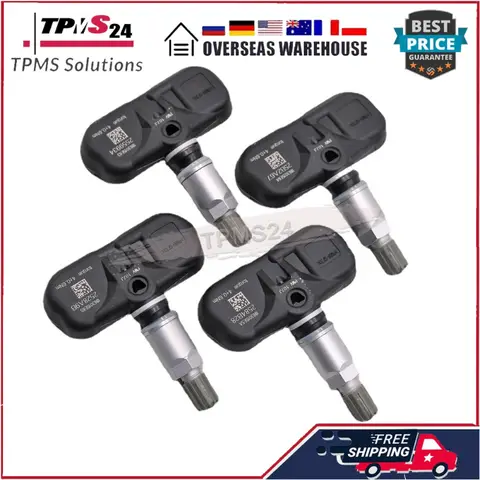
Direct TPMS uses individual sensors mounted in each wheel hub to monitor tyre pressure directly. These sensors are more accurate and reliable but can be more expensive to install and maintain. They are ideal for those who prioritize the highest level of precision and safety.
2. Indirect TPMS
Indirect TPMS, on the other hand, uses the vehicle’s anti-lock braking system (ABS) to monitor tyre pressure indirectly. It does this by measuring the rotational speed of each wheel. While less precise than direct TPMS, indirect systems are more cost-effective and easier to install, making them a popular choice for many vehicles.
Installation and Maintenance
1. Installation
Installing a tyre pressure sensor is a straightforward process. Most sensors can be installed in just a few minutes, either by the vehicle owner or a professional technician. However, it’s essential to ensure that the installation is done correctly to avoid any issues.
2. Regular Maintenance
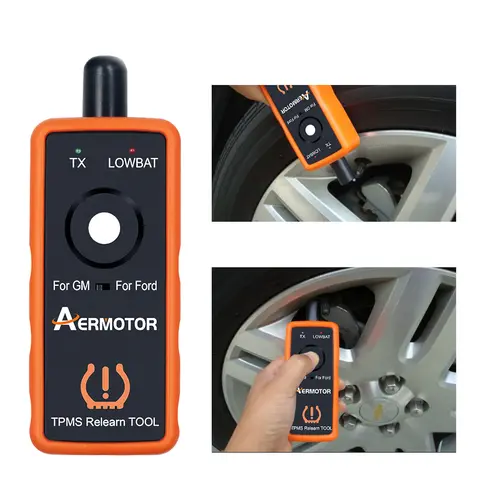
To keep your tyre pressure sensors functioning optimally, regular maintenance is crucial. This includes checking the battery life of the sensors and calibrating them as needed. Most modern sensors have a battery life of about 10 years, but it’s always a good idea to check and replace them if necessary.
Compatibility and Integration
1. Compatibility
Tyre pressure sensors are designed to be compatible with a wide range of vehicles, from small cars to large trucks. Whether you drive a compact sedan or a luxury SUV, there is a tyre pressure sensor that can be tailored to your needs.
2. Integration with Vehicle Systems
Modern tyre pressure sensors are often integrated with a vehicle’s dashboard to provide real-time alerts and notifications. This integration ensures that you are always aware of any changes in tyre pressure, allowing you to address issues promptly.
Common Issues and Troubleshooting
1. Low Battery Warning
One of the most common issues with tyre pressure sensors is a low battery warning. Most sensors will alert you when the battery is running low, and it’s essential to replace the battery promptly to avoid any disruptions.
2. Sensor Malfunction
In some cases, a tyre pressure sensor may malfunction, leading to incorrect readings. If you encounter this issue, it’s best to have a professional technician diagnose and repair the sensor.
Conclusion
In today’s fast-paced world, where safety and efficiency are paramount, a tyre pressure sensor is a technology that shouldn’t be overlooked. From enhancing your driving experience to ensuring the longevity of your vehicle, the benefits of a tyre pressure sensor are undeniable. Whether you’re a seasoned driver or a new car owner, investing in a tyre pressure sensor is a wise decision that can save you time, money, and potentially even your life.
So, why wait? Upgrade your vehicle with a tyre pressure sensor today and take the first step towards a safer, more efficient driving experience. Your journey is worth it.